Morven came into class the other day asking the average age of the class. We range from 17 to 29, and we decided that the average (roughly) was 21 or 22. As someone in the higher end of the age bracket - and technically a mature student - I don't feel the Curriculum for Excellence applies to me, as it is mostly aimed at children and young people between the ages of 3 and 18. In my opinion, it bears more relevance to a young person's life while in school and just after leaving.
I think the scheme is something which is mostly relevant in school, as it is a structured plan that ensures a varied and enriched learning experience to guide young people through their education. I totally agree that our learning at college does all this and provides us with a dynamic experience, but because it is further and higher education, I think the learning process is more in the hands of us, the students, and we are responsible for our own progress and effort. At school it was obvious that the teachers were teaching with some kind of official directive in mind (a lot of the time I felt I was learning how to pass exams and fulfil certain criteria, instead of learning skills for the real world), but at college we aren't as spoon-fed - if we miss class or don't do the correct work then it is entirely our fault and we are responsible for catching up and improving. This is why I think that learning about the CfE is irrelevant on a higher education course, and why I don't feel it will benefit me to spend time writing about it on my makeup blog, as it is a place where I like to prove my skills, evaluate myself and display my research.
Saying that, I'm happy to talk about my experiences at college and how I'm progressing, because I'm using this blog for self-evaluation and I think a big part of my course is being able to communicate my expressive side.
I love my course - I find it extremely fulfilling doing what I love every day, especially now I have figured out what it is I want to do! Creativity is my passion, and I always wanted to be in a profession in which I get to express myself every day and make a living out of it! I feel like I'm getting more confident creating the looks we're asked to do, and I think the idea of collecting research is really helpful. I think my tutors are approachable, friendly, and provide the right amount of constructive criticism. I also appreciate that they can be firm when they need to be. I see them as important contacts, and hope to be as successful as them one day.
A big part of this industry involves working with many different people, so I think it's great on the course that we're encouraged to talk to everyone and work with each other. For the most part, I get along with everyone in the class - we support each other and are patient and honest when it comes to each other's work.
I'm really enjoying it so far and I can't wait to continue on in the new year :)
Gill x
Showing posts with label Essential Skills. Show all posts
Showing posts with label Essential Skills. Show all posts
November 04, 2011

November 01, 2011
Halloween Characters
1.) Sally (The Nightmare Before Christmas)


Sally's look can be created simply using makeup. Her face is really pale, so I would use white greasepaint with a hint of blue in it, to give extra depth. Because the character was made with plasticine, her face is really flat - but if I was creating this look for someone I would use navy or dark grey colours on the cheeks to accentuate the cheekbones and create a sunken effect. I would use the same colour on the crease of her eyes and take it upwards towards the brow to make her eyes look bigger but sunken, and I would cover the eyebrows to give her a creepy effect. Sally has massive eyelashes, so I would use fake eyelashes and clump them together so they looked really long and spidery. For her lips, I would paint them a dark wine coloue and accentuate the cupid's bow, and the stitches by her mouth could be created simply with black greasepaint and a thin brush.
2.) Creepy Ventriloquist Dummy

Ventriloquist dummies are really creepy, and always effective for Halloween. The makeup for this is relatively simple to do, and it's all about accentuating the eyes. As you can see from the picture, his eyes are really big and staring (this is probably what makes them so freaky!), so this can be acheived with clever shading. Firstly, I'd make the skin really pale and add freckles on to the cheeks. I'd add dark shading under the cheeks to make them look really round, and accentuate the apples using very subtle pale pink blusher.
To make the face look extra sculpted and plastic-looking, I'd add shading down the nose and make the eyebrows really black and sculpted. I'd also shade down the space above the cupid's bow. Using the same dark colour, I'd add shadow round the eyes - instead of applying it straight on to the lashlines, I'd leave a white space then start shading. This will make the eyes look really big and bright, like doll's eyes. I'd also apply fake eyelashes to the top and bottom for extra effect. For the lips, I'd use a bright true red and apply it generously to the lip, accentuating the cupid's bow. To create the chin, I'd simply use black greasepaint or eyeliner and set the whole thing with powder to it stays in place.
3.) Nosferatu
The ultimate movie monster, and a really great look to create with makeup! The actor would have to wear a bald cap to cover his hair, and this would be blended seamlessly with his skin. For the face, I would have to use a mixture of makeup and prosthetics. I'd start by making the skin really pale with a slight yellowy tinge. I'd also make the eyebrows look really dark and thick (this could all be done using greasepaints, and set with powder). For his eyes, I'd simply line them with black pencil and make it look really smoky by using a smudger brush. I'd enhance the dark circles under his eyes by using grey greasepaint, blend it and set with powder. Finally, prosthetic ears and a prosthetic nose would be fitted, along with a set of large, sharp teeth (which would stand out better by making his lips the same colour as his skin) to finish this horrifying look!
October 27, 2011
Makeup for Skin Complaints
For the majority of people, makeup is a way of experimenting with their look and transforming themselves using a variety of shades and products. But for some, skin complaints and conditions make this process very difficult.
Eczema is a condition in which patches of skin are unable to hold moisture so this causes the skin to go very dry, cracked and sore. It often appears in patchy areas which look almost like rashes, and the skin tends to itch and, in extreme cases, crack and bleed. The skin is usually very sensitive, so usually people with the condition are allergic to certain types of soaps and detergents. This makes it very difficult to find makeup which both soothes and compliments the skin.
 When looking for makeup products, it is best to choose products that are designed for sensitive skin. This means looking for products which are unscented, made with natural ingredients, and don't include harsh chemicals such as lanolin, propylene glycol, sodium hydroxide and sodium lauryl sulfate. A common problem with using makeup on eczema skin is the danger of cakey or clumpy skin, therefore it is best to avoid liquid foundation and instead stick to very lightweight mineral makeup. Different shades can downplay flaws; for example, using a very pale (slightly green) shade can reduce redness, but it is important not to use too much product - this only makes things worse! For eyes, it is better to use water-based eyeshadows as powders will simply gather in the dry areas. Also, water-based products are easier to remove with gentle makeup remover. It's best to avoid shimmery shades on dry areas as, again, this will highlight flaws. Pay attention to your makeup tools, also - clean brushes are a must!
 Vitilgo is a condition which causes discolouration of certain areas of the skin. It usually appears in very uneven areas and creates a patchy effect on the skin which often grows over time. It is more noticeable on people with dark skin, as there is more of a contrast. It isn't particularly harmful, but it can be very embarrassing, partcularly if the condition is partcularly severe in areas such as the hands, neck or face. However, there are many options now in the beauty industry for makeup which is designed to cover up or camouflage skin complaints such as vitiligo.
Using makeup is a simple and cheap option (as opposed to surgery, which some people resort to) for covering up vitiligo patches. Camouflage makeup comes in a variety of shades and textures, and it's best to choose a product which is light and airy and allows the skin to breathe, and does not make the skin look cakey. The person would choose a shade which matches their original skin colour, and blend it into the patchy areas. Starting from the inside and working outwards, a moderate amount should be applied evenly all over the affected areas. Special care must be taken to blend the edges properly, to achieve a more natural look. When using dyes, it is important not to go over the natural skin colour too much, as this could cause staining. It is recommended that powder is used to set, as this will make the colour last longer and will help prevent the product smudging or rubbing off on clothes or on contact. It is also important to use powder, particularly alongside sticks or liquids, to create a matte effect and to even the skin tone.
Eczema is a condition in which patches of skin are unable to hold moisture so this causes the skin to go very dry, cracked and sore. It often appears in patchy areas which look almost like rashes, and the skin tends to itch and, in extreme cases, crack and bleed. The skin is usually very sensitive, so usually people with the condition are allergic to certain types of soaps and detergents. This makes it very difficult to find makeup which both soothes and compliments the skin.
 When looking for makeup products, it is best to choose products that are designed for sensitive skin. This means looking for products which are unscented, made with natural ingredients, and don't include harsh chemicals such as lanolin, propylene glycol, sodium hydroxide and sodium lauryl sulfate. A common problem with using makeup on eczema skin is the danger of cakey or clumpy skin, therefore it is best to avoid liquid foundation and instead stick to very lightweight mineral makeup. Different shades can downplay flaws; for example, using a very pale (slightly green) shade can reduce redness, but it is important not to use too much product - this only makes things worse! For eyes, it is better to use water-based eyeshadows as powders will simply gather in the dry areas. Also, water-based products are easier to remove with gentle makeup remover. It's best to avoid shimmery shades on dry areas as, again, this will highlight flaws. Pay attention to your makeup tools, also - clean brushes are a must!
 Vitilgo is a condition which causes discolouration of certain areas of the skin. It usually appears in very uneven areas and creates a patchy effect on the skin which often grows over time. It is more noticeable on people with dark skin, as there is more of a contrast. It isn't particularly harmful, but it can be very embarrassing, partcularly if the condition is partcularly severe in areas such as the hands, neck or face. However, there are many options now in the beauty industry for makeup which is designed to cover up or camouflage skin complaints such as vitiligo.
Using makeup is a simple and cheap option (as opposed to surgery, which some people resort to) for covering up vitiligo patches. Camouflage makeup comes in a variety of shades and textures, and it's best to choose a product which is light and airy and allows the skin to breathe, and does not make the skin look cakey. The person would choose a shade which matches their original skin colour, and blend it into the patchy areas. Starting from the inside and working outwards, a moderate amount should be applied evenly all over the affected areas. Special care must be taken to blend the edges properly, to achieve a more natural look. When using dyes, it is important not to go over the natural skin colour too much, as this could cause staining. It is recommended that powder is used to set, as this will make the colour last longer and will help prevent the product smudging or rubbing off on clothes or on contact. It is also important to use powder, particularly alongside sticks or liquids, to create a matte effect and to even the skin tone.
October 20, 2011
The History of Wigs
A wig is essentially a piece of hair which is fitted to the head for either improving or changing one's appearance or to hide hair loss. Today, a large variety of hair pieces - such as extensions, weaves, etc - are used by people to enhance their hair for fashion purposes, and both natural and synthetic pieces are worn. Wigs and hair pieces are also used extensively in TV, film and theatre to create a variety of characters. However, throughout the ages, wigs have been used for many different purposes. Here are a few examples!
Ancient Rome
In Roman times, hair was seen as sacred and people considered washing, cutting and dressing their hair to be something of a ritual. Wigs were worn by both men and women soared in popularity at the establishment of the Empire - during Livia's reign (58 B.C.-A.D. 29) more attention was paid to hair and how it could be styled. Empress Messalina (A.D. 17-48) was famous for her yellow wigs, which she would wear when she visited brothels. In fact, Roman prostitutes also wore yellow wigs to assert their status and profession. Women in Rome usually wore wigs to look younger and improve their appearance, but men wore them to hide their age - Julius Caesar (100-44 B.C.) wore a wig and laurel leaves to hide the fact that he was balding.
16th Century
By the 16th Century, wigs of varying shapes and sizes were an every day items for ladies, and they were starting to become more popular with men. This was largely due to the influence of Queen Elizabeth I, whose reign began in 1558. Women dyed their hair red to emulate the Queen's natural hue, and her extensive collection of wigs influenced a lasting trend. Catherine de’ Medici (1519-1589) even paid a woman to provide hair for her daughter's wig, and Mary Queen of Scots (1542-1587) amassed an even larger collection of wigs than Elizabeth I.
18th Century
The popularity of wigs maintained throughout the start of the 18th Century. People even rioted in Caen, France because of a flour shortage - aristocrats were using flour to adorn their wigs, but it was badly needed to make bread. The Death of King Louis XIV of France, however, changed the trend for grandiose, extravagant wigs to more natural-looking ones. Louis was famous for his hair - he began to bald prematurely, so he was never seen without it. He even hired over 40 wig makers to get it right, and adorned it with perfume and powder. People began to copy his style and, in contrast to today, looking old was 'in'.
By Louis' death, however, people were more interested in blending wigs with their natural hair to create a more natural look. Wigs gradually started to get smaller, and the toupee was born. This new trend had a very negative effect for wig makers - there was even a law pass to make sure men bought and wore wigs, as more and more men were favouring their natural hair. Wigs quickly began to be a symbol of the aristocracy and, by the beginning of the 19th Century, wigs were only really worn by elderly or conservative men.
20th Century
Wigs made a comeback in the mid-20th Century. They were worn by Hollywood actors and actresses and people who wanted to disguise hair problems. Their convenience made them easier than ever to wear and maintain - many women took theirs to the hairdresser to be washed, coloured, styled, etc, and it even became possible to buy pre-bleached wigs. By the 1960s, the popularity of The Beatles came with new trends in hair, and more people wore wigs in order to emulate their Mod-style haircuts. Wigs were no longer stigmatised or worn only by select groups, they were once again a fashion statement and continued the trend for copying hairstyles of respected figures - which was, in the case of the late 20th and early 21st Century, celebrities.
Wigs are still used extensively today, in fact it is more common than ever to see people - particularly women - wearing some kind of hair piece to enhance their natural style. They are also used greatly in fashion, from commercial to couture, to create a variety of modern looks. As technology progresses, I imagine wigs will continue to grow in popularity and new styles and techniques will be developed.
Ancient Rome
 |
| Julius Caesar |
16th Century
By the 16th Century, wigs of varying shapes and sizes were an every day items for ladies, and they were starting to become more popular with men. This was largely due to the influence of Queen Elizabeth I, whose reign began in 1558. Women dyed their hair red to emulate the Queen's natural hue, and her extensive collection of wigs influenced a lasting trend. Catherine de’ Medici (1519-1589) even paid a woman to provide hair for her daughter's wig, and Mary Queen of Scots (1542-1587) amassed an even larger collection of wigs than Elizabeth I.
18th Century
 |
| Louis XIV |
By Louis' death, however, people were more interested in blending wigs with their natural hair to create a more natural look. Wigs gradually started to get smaller, and the toupee was born. This new trend had a very negative effect for wig makers - there was even a law pass to make sure men bought and wore wigs, as more and more men were favouring their natural hair. Wigs quickly began to be a symbol of the aristocracy and, by the beginning of the 19th Century, wigs were only really worn by elderly or conservative men.
20th Century
 |
| The Beatles |
Wigs made a comeback in the mid-20th Century. They were worn by Hollywood actors and actresses and people who wanted to disguise hair problems. Their convenience made them easier than ever to wear and maintain - many women took theirs to the hairdresser to be washed, coloured, styled, etc, and it even became possible to buy pre-bleached wigs. By the 1960s, the popularity of The Beatles came with new trends in hair, and more people wore wigs in order to emulate their Mod-style haircuts. Wigs were no longer stigmatised or worn only by select groups, they were once again a fashion statement and continued the trend for copying hairstyles of respected figures - which was, in the case of the late 20th and early 21st Century, celebrities.
Wigs are still used extensively today, in fact it is more common than ever to see people - particularly women - wearing some kind of hair piece to enhance their natural style. They are also used greatly in fashion, from commercial to couture, to create a variety of modern looks. As technology progresses, I imagine wigs will continue to grow in popularity and new styles and techniques will be developed.
October 13, 2011
Fantasy Makeup
1.) Pan's Labyrinth
 To create The Pale Man's hands for Pan's Labyrinth, we would use a mixture of prosthetics, wax and makeup. Obviously I'm still a beginner and there are probably loads of fancy materials that the movie makeup artists use that I'm still not aware of, but it could be done simply using wax. First, I would apply the eyes to the hands (possibly by glueing them down with eyelash glue), then, for the eyelids, apply derma wax to the top and bottom of the eye, and blend thoroughly. This would also help hold the eye in place. From there, the skin could be painted accordingly. For his fingers, I assume they've used prosthetic pieces to elongate his fingers, and painted them black to give a really creepy effect.
2.) Hellboy II: The Golden Army
 To achieve Princess Nuala's look from Hellboy II, a very pale foundation would be applied. Her eyebrows would either be bleached then covered with foundation or a layer of wax would be applied to hide them. Then, she would be fitted with coloured contact lenses and brown/sand eyeshadow would be used on her lids and extended up to the eyebrow and across to the temple. A slightly more orangey plum colour has been applied in the corner of her eyes and extended down to give her an ethereal look. Her eyes are also lined along the upper and lower lashlines with a slightly darker brown to define her eyes. To make her cheekbones stand out, a dark brown colour is used to give the shape of her face more definiton. To create the markings on her face, the makeup artist will have used a very thin brush to apply, and set the whole face with powder to remove any shine.
3.) Star Wars: Episode II - Attack of the Clones
 To create Shaak Ti's look, the entire face and neck would be painted red, leaving two largs ovals around the eyes to fill in the white area and the red marks above her eyes. The eyes themselves are left almost bare, with just a little reddish-plum eyeliner on her lower lashline - this makes her black contact lenses really stand out. Her cheeks are shaded with dark shadow to make her cheekbones really stand out - this also makes her eyes look bigger. Her lips are lined with a similar shade, and filled in with a pale lip colour. A large part of this look involves jewellery - as you can see from the picture, there are chains that go round her cheeks and meet in the middle of her forehead on a large pendant. These are attached to prosthetic spikes on her hairline, which would be applied with some kind of adhesive to keep them in place. Her horned headpiece covers her hair, which would be secured to the head and hidden under a stocking cap. The headpiece is probably made from plastic, foam or silicone (something lightweight) and painted accordingly to finish the look off.

2.) Hellboy II: The Golden Army

3.) Star Wars: Episode II - Attack of the Clones

History of Makeup - Native Americans
Makeup has come a long way through the ages, and in different cultures people used different techniques and materials to achieve their looks. The majority of early products were made from natural ingredients, such as berries, beeswax, egg, ash, flower petals and even animal blood. Some people - most famously, Queen Elizabeth I - would even use dangerous materials such as lead to make their skin pale, which would pose serious dangers to their health. Other toxic materials used included mercury and arsenic, and in 16th Century Europe, women even bled themselves in order to make their skin pale. Beauty really was pain for them!
 However, for a lot of cultures, makeup was used to define social/military status or even to assert their ferocity. This is mirrored in nature - animals use the markings on their skin to their advantage, whether it is for hunting purposes or to defend themselves against predators.
For Native American tribes, cultural face painting was used since ancient times and each tribe had different patterns and designs which were unique to them. It is an important tradition which allows the people to connect with their heritage, tell stories and to assert their social standing and power. They used all natural products to create their looks - a common tradition for Native Americans, as they worshipped and appreciated nature - and a variety of items such as roots, berries and tree barks were used to make dye. They also used clay, mud, plants, copper ore and even duck droppings, and these were chosen because of the variety of colours they provided. The artists would simply add warm water to the products and apply them to the face and body using brushes, again made from natural materials such as willow sticks, chewed cottonwood or even buffalo bone.
 Colour was a very important element when it came to face painting - each colour had a symbolic purpose, and their placement on the face helped tell the story. Red was the colour of aggression, danger and war. White, as you may guess, symbolised peace. Black was the colour of living, and was worn during war preparations. Green was worn under the eyes and was believed to give the person night vision. Yellow, interestingly, was the colour of death and was worn when a person was in mourning, and on men it conveyed that the man had lived a long life and would fight to the end.
These colours would be applied in a variety of patterns, which would range from a few lines to the whole face being covered.
To us, makeup may seem like something which is used to make the wearer look beautiful, but across different cultures it holds varied meanings. I am really interested in Native American culture, art and literature, and to them makeup holds something which lies beneath the surface - it tells the story of their lives and the lives of their ancestors. This is really inspiring to me :)
Gill x

For Native American tribes, cultural face painting was used since ancient times and each tribe had different patterns and designs which were unique to them. It is an important tradition which allows the people to connect with their heritage, tell stories and to assert their social standing and power. They used all natural products to create their looks - a common tradition for Native Americans, as they worshipped and appreciated nature - and a variety of items such as roots, berries and tree barks were used to make dye. They also used clay, mud, plants, copper ore and even duck droppings, and these were chosen because of the variety of colours they provided. The artists would simply add warm water to the products and apply them to the face and body using brushes, again made from natural materials such as willow sticks, chewed cottonwood or even buffalo bone.
 Colour was a very important element when it came to face painting - each colour had a symbolic purpose, and their placement on the face helped tell the story. Red was the colour of aggression, danger and war. White, as you may guess, symbolised peace. Black was the colour of living, and was worn during war preparations. Green was worn under the eyes and was believed to give the person night vision. Yellow, interestingly, was the colour of death and was worn when a person was in mourning, and on men it conveyed that the man had lived a long life and would fight to the end.
These colours would be applied in a variety of patterns, which would range from a few lines to the whole face being covered.
To us, makeup may seem like something which is used to make the wearer look beautiful, but across different cultures it holds varied meanings. I am really interested in Native American culture, art and literature, and to them makeup holds something which lies beneath the surface - it tells the story of their lives and the lives of their ancestors. This is really inspiring to me :)
Gill x
October 10, 2011
Class Rep!
Today I volunteered to be Class Representative for the A group alongside Debbie. If there's anything you guys need to talk about - any issues, problems, suggestions, etc - then drop me a message or have a quiet word with either of us after class :)
Gill x
Gill x
September 30, 2011
Top 5 Makeup Products
1.) Urban Decay's Naked Palette


The Naked Palette has become one of the most sought-after products in the beauty industry. It is always in constant demand because it is a high quality palette and sold for a very reasonable price. There are 12 shades in an attractive faux-velvet case, complete with mirror and a brush, and prices range from £28 to £35. The palette is available from Debenhams and House of Fraser (occasionally you're required to go on a waiting list to buy it), however it is sometimes available on eBay for much higher prices - and people will pay them!
The shades are a highly pigmented mixture of shimmery and matte, and they range from natural, nude shades to dark browns and greys. Many looks can be created with the palette - it does everything from barely-there to work-appropriate to dramatic smoky looks for Friday nights!
This is one of the best products I've ever used - I've had mine for 4 months and I use it every day, so far I've barely made a dent in it! Definitely the best £30 I've ever spent.
2.) Soap & Glory Hocus Focus Visual Flaw Softening Lotion

Soap & Glory's Hocus Focus is described as an "instant flaw softening lotion with long-wearing lightscramble lumishperes". In everyday terms, it is essentially a lightly shimmery lotion which can be applied either straight on to the face or mixed with foundation/tinted moisturiser to add a subtle glow to the skin. The texture is lovely - soft and creamy with a pearlised effect, and it has a nice fragrance. When applied to the skin it illuminates as well as softens, and makes the skin look dewy and glowing. It also evens out skin tone and hides any blemishes or minor flaws. Sold at stores such as Boots and asos.com at £13 for 30ml, this product is also really good value for money - a little goes a long way so the bottle lasts a good while, and looks great on my dressing table!
3.) MAC Russian Red Lipstick

MAC is my all-time favourite brand for lipstick. I have quite dry skin and lips, so I always find these lipsticks really nourishing as well as highly-pigmented and long-lasting. Russian Red is the perfect red lipstick, in my opinion - it is a classic pillar box red, so it has a timeless quality and the ability to suit all skin tones. I've tried my fair share of red lipsticks, but I had never been able to find a true red; I usually end up with shades that are either too dark, such as brick reds, or too pale. Russian Red is exactly what I've been looking for, and at £13.50 for 3g - which, again, lasts ages! - it is a great product and excellent value.
4.) L'Oreal True Match Foundation
As with lipstick, it took me a while to find a foundation which both suited my skin tone and nourished my dry, sensitive skin. L'Oreal's True Match is a liquid foundation which claims to work with your natural skin tone to achieve a shade that's personal to you. I definitely think it works for me - I use one of the palest shades and it glides on easily and blends really well. I like to go for a matte effect on my skin, and True Match does this, while still giving my skin a radiance which I have never had with any other foundation. Prices range from £8 to £9.99 for 30g, it doesn't break the bank, and I'm always willing to pay extra for a product that really works!
5.) Maybelline Falsies Mascara

Mascara is always a tricky product to judge when buying. Many brands promise different things, and, because everyone's lashes are different, finding the right one for you can be a long and expensive process! However, Maybelline's Falsies Mascara is the perfect mascara for me. It promises length and volume, with high colour payoff, and it definitely delivers on all of these. At £8 it is about average for a high street brand mascara, but for me this is a bargain because it suits my lashes and is adaptable for both everyday wear and nights out. I use the waterproof version in Black, and my only criticism would be that it isn't the easiest mascara to shift at night, although this might be down to my makeup remover rather than the mascara. I have naturally long lashes anyway, but with 2 layers they are noticeably larger and thicker, without clumps or flaking. The product lasts all day and the waterproof version is especially good value for money because it also prevents the mascara from running. A great product which I will buy again!
Gill :)
September 27, 2011
Style Icons
When Emma asked us to research our style icons I found it quite difficult because I don't particularly idolise people simply because of what they wear or what they look like - I look up to people because of their talent, humility, grace and personality. I've never really thought about who my style icons are because I tend to just wear what I suit and what I'm comfortable in. Like everyone else, my mood changes all the time and my clothes and makeup reflect that! So, instead of "style icons", here are some people I think are beautiful :)
Anne Hathaway


Anne Hathaway


Anne's look calls back to the screen sirens of the Hollywood Golden Age, in that she always maintains a classy, elegant and feminine style. She always chooses outfits which are on-trend but classic, and she always dresses to flatter her womanly shape – it is this which gives her style a timeless feel. Her chestnut colouring combined with her flawless, pale skin means she suits almost any makeup look. The look I favour most on her is a black lined eye with classic red lips, however she can also carry off a more toned down look due to her natural beauty. Her large brown eyes and full, heart-shaped lips are the perfect canvas for any makeup artist.
Drew Barrymore


Drew inspires me because, like Anne Hathaway, she always looks classy and feminine and keeps her style unpretentious and down to earth. However, Drew always has a quirky edge to her various looks, which she carries through both casual and formal occasions. She always looks on-trend, but at the same time she keeps her style fresh and original by allowing her quirky taste to shine through. She has a very unique and unusual face, which is ideal for any kind of makeup – her lips in particular suit almost any shade. Her pale skin, fair colouring, stunning face and relaxed, kooky style makes her, in my opinion, the ultimate underrated beauty.
Marilyn Monroe
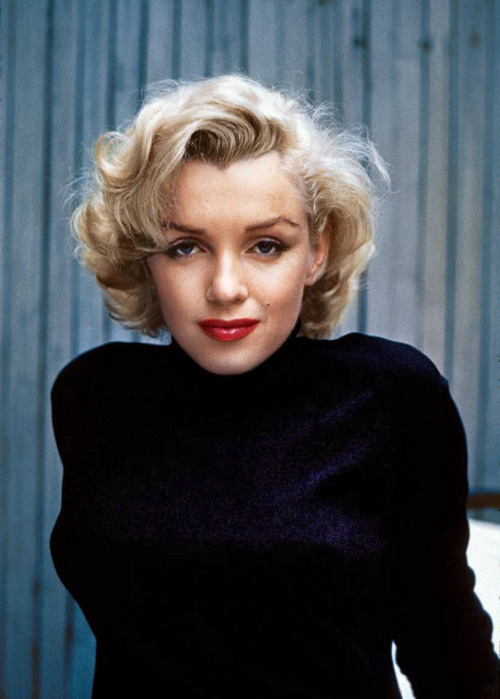

For me, Marilyn Monroe is the ultimate woman – she had the classic hourglass figure, an unforgettable face and a style all of her own. Her long, dark eyelashes, statement red lips and cascading blonde curls have proved to stand the test of time – even now, modern starlets such as Christina Aguilera and Scarlett Johansson have emulated her style, and her simple but glamorous look has never gone out of fashion. Her flawless skin, expressive eyes and megawatt smile meant that she did not need much makeup or styling to look beautiful, in fact some of the most iconic photos of her are more relaxed and intimate. Despite this, she suits almost any style; from ultra-glam on the red carpet, to casual in relaxed photoshoots, to outrageous, glitzy costumes seen in movies such as Gentlemen Prefer Blondes. She was unique in that her style defined her – this was not always a good thing, as she almost became a caricature of herself when in fact she was more shy and vulnerable behind the scenes than people expected. However, her look became synonymous with glamour, femininity, strength and sex, and to me she is an icon because no other woman in the 20th century made such an impact on the world of fashion and beauty as Marilyn did.
September 16, 2011
First Blog Post!
Welcome to my blog!
I will be using this blog to chart my progression throughout the NQ6 Media Makeup course. I will be posting written material, research and photos of work I have created in class. The material on my blog will cover all aspects of the Hairdressing, Wig Making, Character Makeup and Special Effects courses - I look forward to expanding this page and I hope you all enjoy following my progress!
Gill :)
I will be using this blog to chart my progression throughout the NQ6 Media Makeup course. I will be posting written material, research and photos of work I have created in class. The material on my blog will cover all aspects of the Hairdressing, Wig Making, Character Makeup and Special Effects courses - I look forward to expanding this page and I hope you all enjoy following my progress!
Gill :)
Subscribe to:
Posts (Atom)